Vegan gochujang pasta in 30 minutes!
N
nieve
5 min read
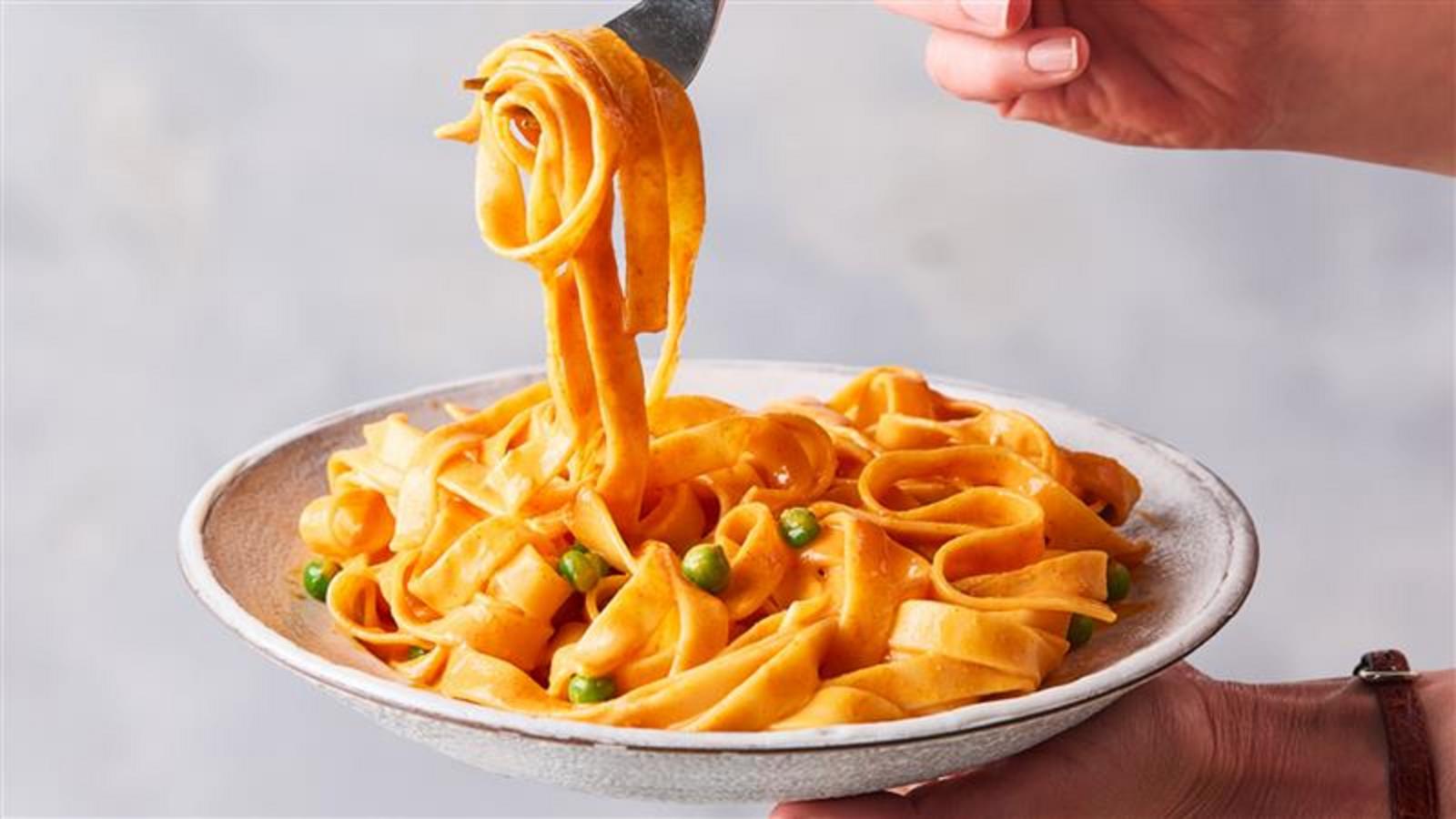
If you're looking for a quick, satisfying meal that's packed with flavour, this creamy, spicy vegan pasta is sure to become a favourite. Ready in less than 30 minutes of preparation time and with just 10-20 minutes of cooking, it's the perfect recipe for busy weeknights, relaxed weekend dinners or whenever you're craving something comforting without spending hours in the kitchen. Best of all, it serves 4-6 people, making it ideal for sharing with family and friends or saving leftovers for lunch the next day.
The silky, dairy-free sauce is irresistibly creamy, coating every piece of pasta in a rich, velvety finish, while a gentle kick of spice adds warmth and depth without overpowering the dish. Every mouthful is packed with bold, comforting flavours that feel indulgent yet are made from simple, wholesome ingredients. It's the kind of meal that proves vegan cooking can be every bit as rich, satisfying and delicious as traditional creamy pasta dishes.
This recipe is also wonderfully adaptable. Sweet peas add a burst of freshness and colour, but you can easily swap them for shredded greens such as spinach, kale or savoy cabbage if that's what you have in the fridge. Prefer a simpler bowl of pasta? Simply leave the vegetables out altogether and let the luscious sauce take centre stage.
For the smoothest, creamiest results, you'll need a blender to blitz the sauce until it's silky and perfectly combined. Once you've tried it, you'll find yourself coming back to this easy, flavour-packed recipe again and again.
Vegan gochujang pasta- ingredient list!
500g/1lb 2oz dry pasta (linguine, spaghetti, tagliatelle, fusilli, or penne) 1 tablespoon olive oil 1 finely chopped red or white onion
Two cloves of garlic, chopped or coarsely grated
300g/10½oz block of coarsely sliced silken tofu
Two tablespoons gochujang, two tablespoons nutritional yeast (or finely shredded Italian hard cheese), and a big handful of frozen peas (optional)
salt
Vegan gochujang pasta- step by step instruction guide!
Step 1
Bring a large saucepan of generously salted water to a rolling boil. Add the pasta and cook according to the packet instructions, stirring occasionally to prevent it from sticking. Cook until the pasta is al dente - tender with a slight bite - as it will continue to absorb the sauce once combined. Before draining, carefully reserve a cup of the starchy pasta cooking water, as it can be used later to loosen the sauce and help it cling beautifully to the pasta. Drain the pasta well, but do not rinse it, as the starch on the surface will help the creamy sauce coat every piece evenly.
Step 2
Meanwhile, heat the oil in a large saucepan over a medium heat. Add the chopped onion, garlic and a pinch of salt, then cover with a lid and cook gently, stirring occasionally, for 8-10 minutes or until the onion is soft, translucent and fragrant. Cooking the vegetables slowly with the lid on helps them soften without browning, allowing their natural sweetness to develop and creating a flavourful base for the creamy sauce.
Step 3
Transfer the tofu, gochujang and nutritional yeast to a blender. Spoon in the softened onion and garlic mixture, scraping the pan well to capture all of the flavour. Add a couple of tablespoons of the reserved pasta cooking water to help the ingredients blend smoothly. Blitz on a high speed until the sauce is completely smooth, creamy and velvety, stopping to scrape down the sides of the blender if needed. If the sauce seems too thick, add a little more of the reserved pasta cooking water, one tablespoon at a time, until it reaches a pourable consistency that will coat the pasta beautifully.
Step 4
If using the peas, cook them until just tender and heated through. You can either boil them in a small saucepan of water for 2-3 minutes or microwave them according to the packet instructions. Once cooked, drain well if necessary and set aside until you're ready to combine them with the pasta and sauce. Be careful not to overcook the peas, as they should retain their bright green colour and a slight bite.
Step 5
Pour the blended tofu sauce into a large saucepan and place it over a medium heat. Cook gently, stirring frequently, until the sauce is heated through and just begins to simmer. Avoid allowing it to boil vigorously, as this can affect its smooth, creamy texture. Add the cooked pasta to the saucepan and toss well until every piece is evenly coated in the rich, velvety sauce. If the sauce is a little too thick, stir in a splash of the reserved pasta cooking water, adding a little at a time until it reaches your desired consistency. The starchy pasta water will help the sauce become silky and cling beautifully to the pasta.
Step 6
Gently fold the cooked peas into the creamy pasta, if using, and toss everything together until they are evenly distributed and thoroughly coated in the rich, velvety sauce. Taste and adjust the seasoning if needed, adding a little more salt or a pinch of black pepper to suit your preference. Serve immediately while the pasta is hot and the sauce is at its creamiest, with an extra sprinkle of nutritional yeast or your favourite fresh herbs if desired.
Vegan gochujang pasta- recipe tips!
You can easily adjust the level of spice to suit your taste by increasing or decreasing the amount of gochujang. If you prefer a milder dish, start with a smaller amount and add more if needed. For those who enjoy a little extra heat, an additional spoonful of gochujang will give the sauce an even bolder, spicier flavour. As different brands can vary in strength, it's always a good idea to taste the sauce before serving and adjust accordingly.
This recipe is also a great way to use up any leafy greens you have on hand. Shredded kale, cavolo nero, spinach, Swiss chard or savoy cabbage all work beautifully, adding colour, texture and extra nutrition to the dish. Simply stir the greens into the sauce or cook them briefly with the pasta until they are just wilted and tender.
If you don't need the dish to be vegan, you can replace the nutritional yeast with a finely grated Italian-style hard cheese, such as Parmesan or Pecorino. This will add a rich, savoury depth of flavour while maintaining the creamy texture of the sauce.